
Most people who work in clearance or decluttering come into the job through trade, logistics, or cleaning. My path was different. My understanding of clutter – and the emotions behind it – started long before NPPC existed. I grew up in a home where “stuff” wasn’t just stuff. It was comfort. It was identity. It was survival. It was history. And it shaped the way I work with vulnerable clients today.
My Dad: The Collector
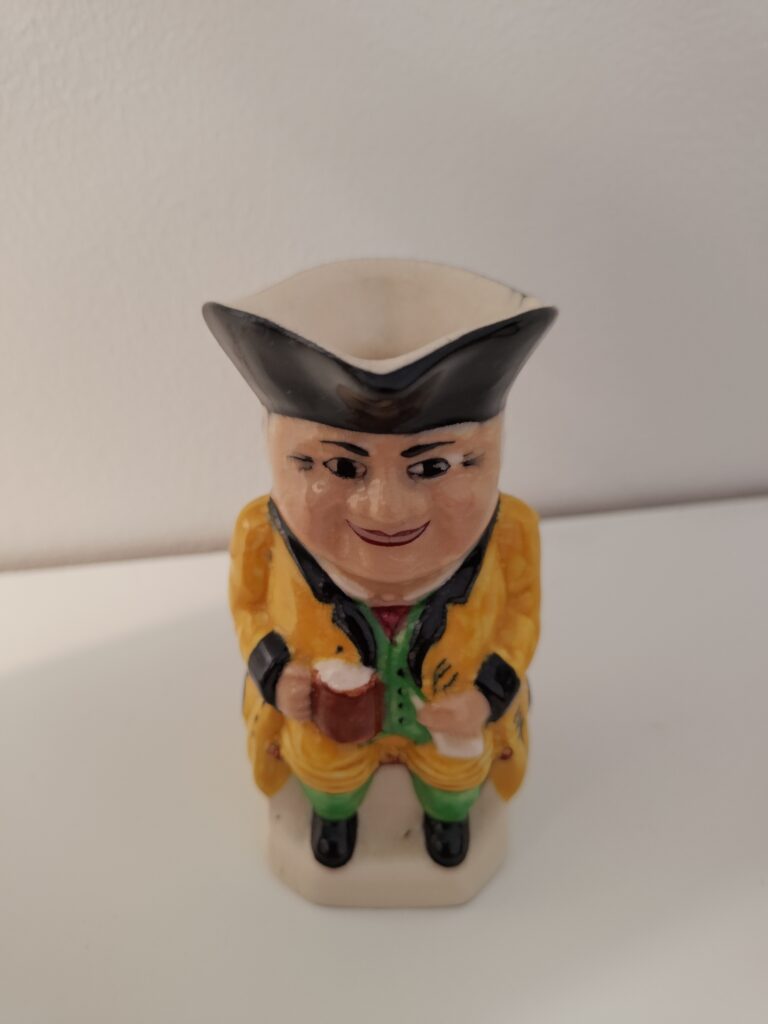
With 700 Toby Jugs, some of my happiest childhood memories are walking around car boot sales with my dad. We’d spend our Sundays hunting for Toby jugs, not because they were valuable, but because they were ours. A shared hobby. A connection. Over the years, he collected more than 700 of them. To some people, that might sound excessive. To me, it was normal. It was joyful. It was a world full of stories and character. Later in life, he downsized dramatically and now lives in a motorhome. Seeing him go from a house full of collections to a small, simple space taught me something important: People don’t hold onto things because they’re messy. They hold onto things because those objects mean something to them.
My Mum: Growing Up With Nothing, Then Surrounded by Clothes
My mum’s relationship with belongings was completely different. She grew up in a big family, in a tenement flat, with very little money and even less personal space. She wasn’t “allowed” much of her own, and what she did have, she protected. After my parents split, something changed. She began buying clothes. Lots of them. Not for fashion. Not for showing off. But because, for the first time in her life, she could choose things for herself. At one point, she had enough clothes to fill two shipping containers. To someone outside the situation, that might look like chaos. To me, it was a lifetime of scarcity finally expressing itself. It wasn’t about clutter. It was about freedom.
What My Parents Taught Me About Hoarding
Growing up around two very different forms of “too much stuff” taught me lessons no training course ever could:
– Clutter is emotional, not logical
– Objects can be safety, identity, or memory
– People keep things for reasons rooted in their past
– Letting go is never just about throwing things away
– Shame makes people hide their situation
– Support matters more than speed
These experiences are why I specialise in sensitive clearances and hoarder support today. I don’t walk into a home and see a mess. I see a story. I see someone doing their best. I see someone who needs patience, not pressure.
Why This Work Matters to Me
When I support a client who feels overwhelmed by their belongings, I’m not just doing a job. I’m honouring the experiences of people I love. I understand the fear of letting go. I know the comfort of holding on. I understand how clutter can grow from trauma, scarcity, or loneliness. And I understand how important it is to treat every client with dignity and respect. This isn’t clearance work. It’s people work. And it’s why NPPC is moving firmly into this niche, because vulnerable clients deserve a service that understands the emotional side as much as the practical one.
If You’re Struggling, You’re Not Alone.
Whether you’re living with clutter yourself, supporting a family member, or working with vulnerable adults, know this: There is no shame in needing help. There is no judgment here. There is only support, understanding, and a calm, respectful approach. Because I’ve lived around this. I’ve seen the human side of it. And I know how much courage it takes to ask for help.